Skip to content
  • Firm Profile
  • Firm Profile
  • About
  • History
  • Awards
  • Clients
  • About
  • History
  • Awards
  • Clients
Firm Profile
  • About
  • History
  • Awards
  • Clients
  • About
  • History
  • Awards
  • Clients
  • What We Do
  • What We Do
  • Architecture
  • Interior Design
  • Planning
  • Zoning Entitlements
  • Historic Preservation
  • Architecture
  • Interior Design
  • Planning
  • Zoning Entitlements
  • Historic Preservation
What We Do
  • Architecture
  • Interior Design
  • Planning
  • Zoning Entitlements
  • Historic Preservation
  • Architecture
  • Interior Design
  • Planning
  • Zoning Entitlements
  • Historic Preservation
  • Our Approach
  • Our Approach
  • Mission & Values
  • Design Maxims
  • Environmental
  • Mission & Values
  • Design Maxims
  • Environmental
Our Approach
  • Mission & Values
  • Design Maxims
  • Environmental
  • Mission & Values
  • Design Maxims
  • Environmental
  • Projects
  • Projects
  • Civic / Government
  • Cultural / Arts
  • Civic / Government
  • Cultural / Arts
  • Faith & Community
  • Faith & Community
  • K-12 & Higher Education
  • K-12 & Higher Education
  • Mixed-Use & Multifamily
  • Mixed-Use & Multifamily
  • Office & Workplace
  • Office & Workplace
  • Retail & Hospitality
  • Retail & Hospitality
Projects
  • Civic / Government
  • Cultural / Arts
  • Civic / Government
  • Cultural / Arts
  • Faith & Community
  • Faith & Community
  • K-12 & Higher Education
  • K-12 & Higher Education
  • Mixed-Use & Multifamily
  • Mixed-Use & Multifamily
  • Office & Workplace
  • Office & Workplace
  • Retail & Hospitality
  • Retail & Hospitality
  • The Latest
  • The Latest
  • Firm News
  • Firm News
The Latest
  • Firm News
  • Firm News
  • Our People
  • Our People
  • View All People
  • Our Offices
  • Community Engagement
  • View All People
  • Our Offices
  • Community Engagement
Our People
  • View All People
  • Our Offices
  • Community Engagement
  • View All People
  • Our Offices
  • Community Engagement
  • Join Our Team
  • Join Our Team
  • Careers
  • Internships
  • Careers
  • Internships
Join Our Team
  • Careers
  • Internships
  • Careers
  • Internships
  • Contact Us
  • Contact Us
  • General Inquiries
  • New Project Opportunities
  • Continuing Education
  • Vendor Presentations
  • Design Collaborations
  • General Inquiries
  • New Project Opportunities
  • Continuing Education
  • Vendor Presentations
  • Design Collaborations
Contact Us
  • General Inquiries
  • New Project Opportunities
  • Continuing Education
  • Vendor Presentations
  • Design Collaborations
  • General Inquiries
  • New Project Opportunities
  • Continuing Education
  • Vendor Presentations
  • Design Collaborations

Corporate Headquarters at Old Parkland

The transformation of Old Parkland unites historic preservation with contemporary workplace values in a uniquely Dallas setting

Project Brief

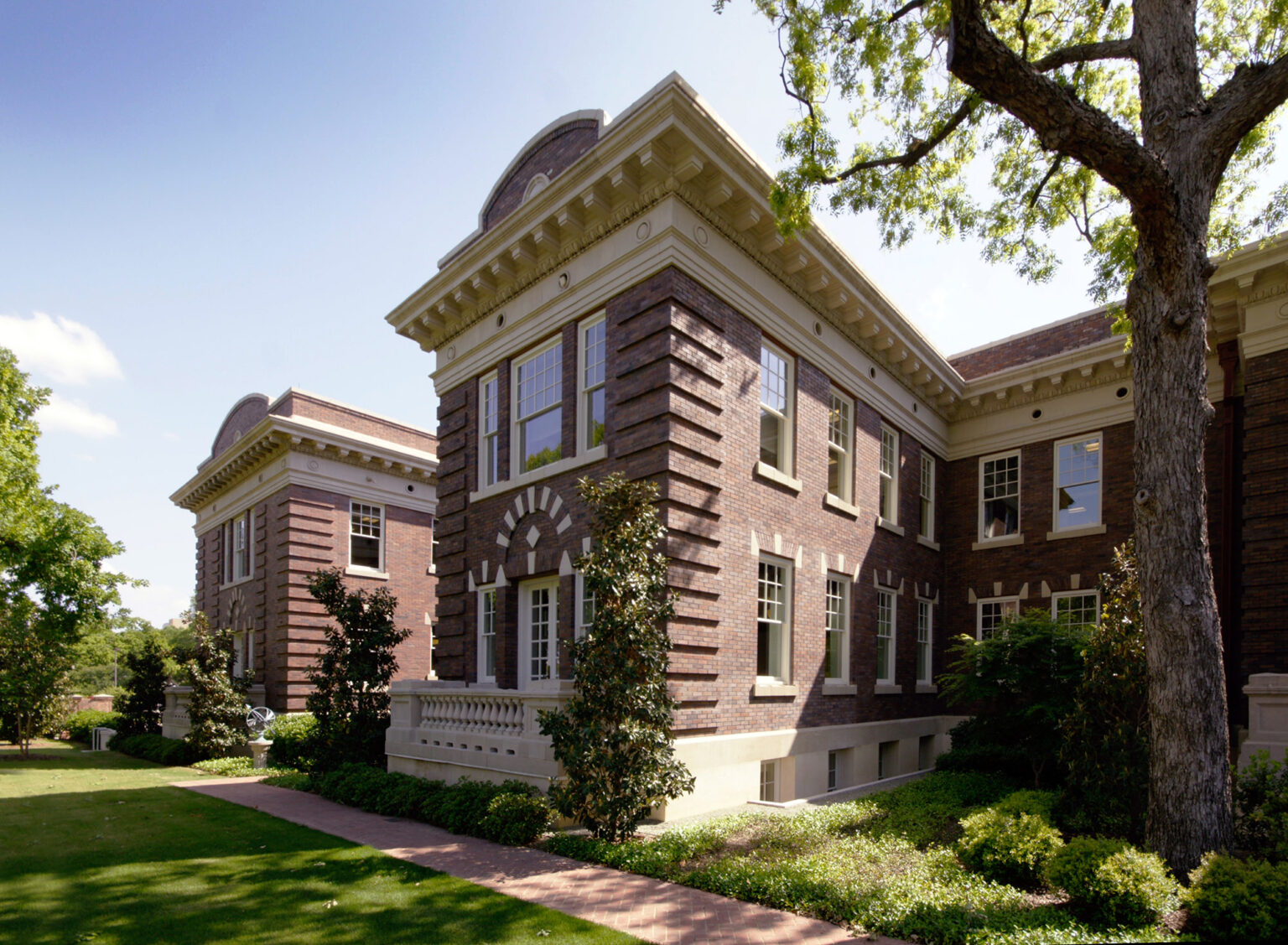
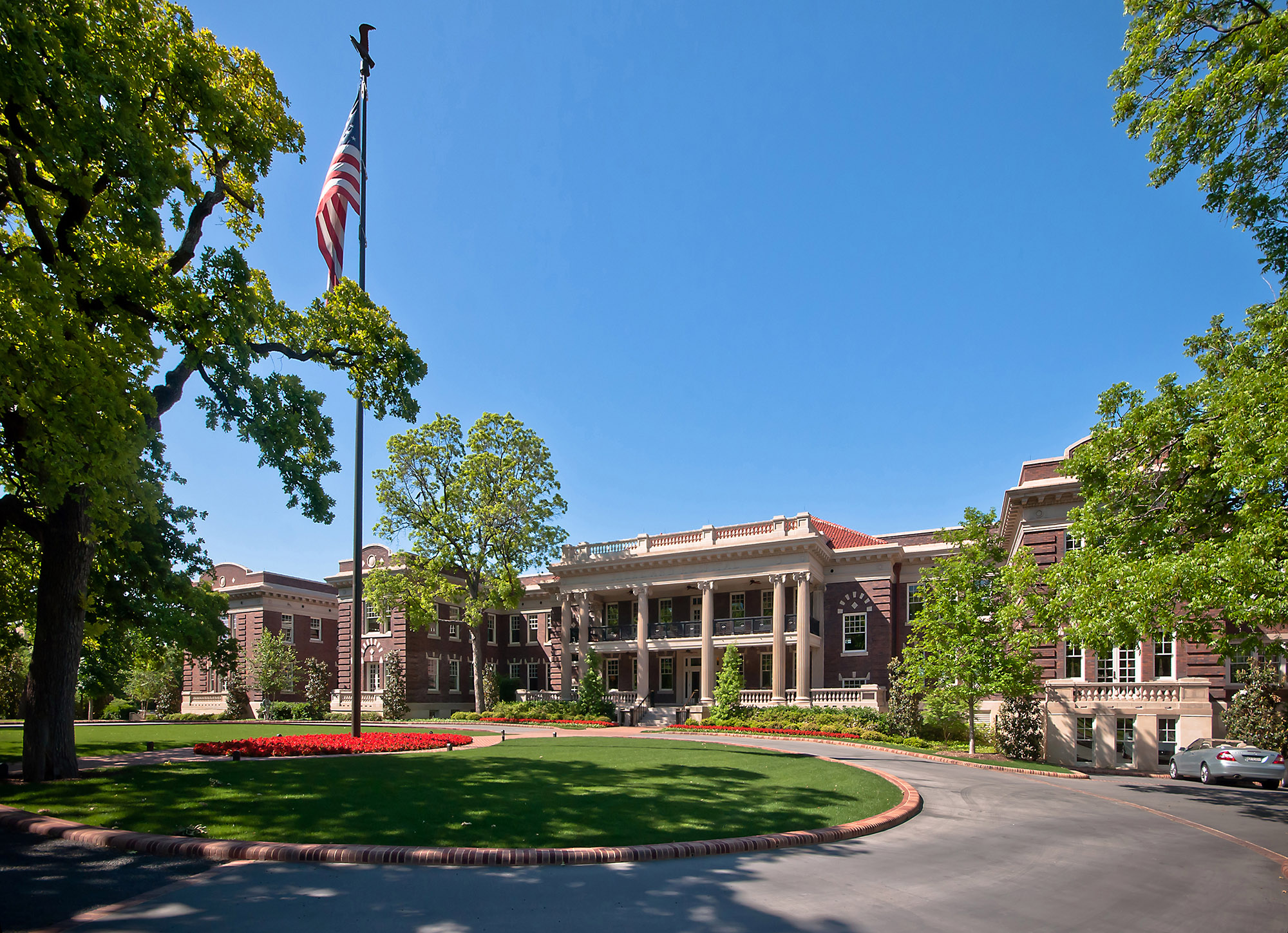
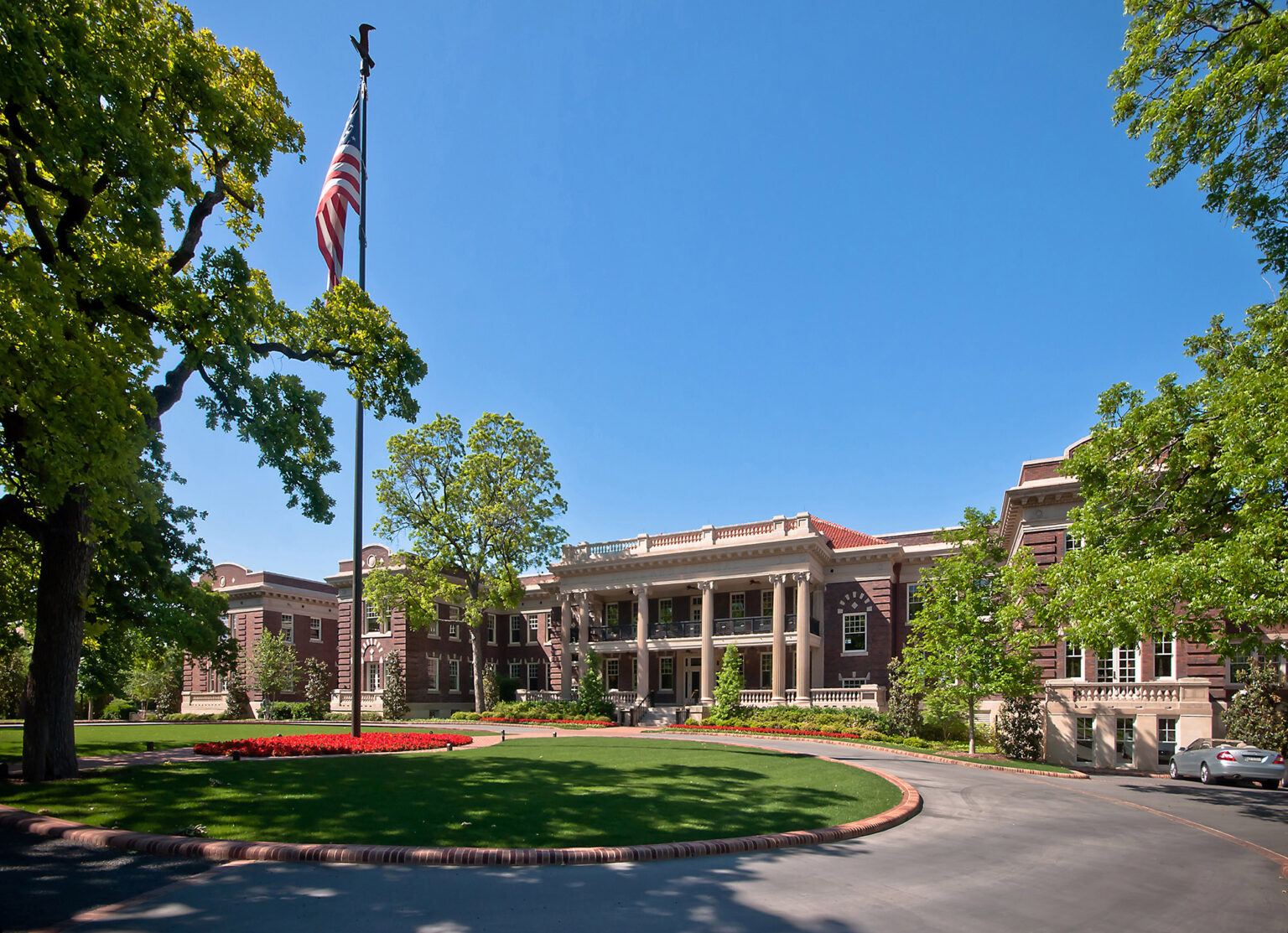
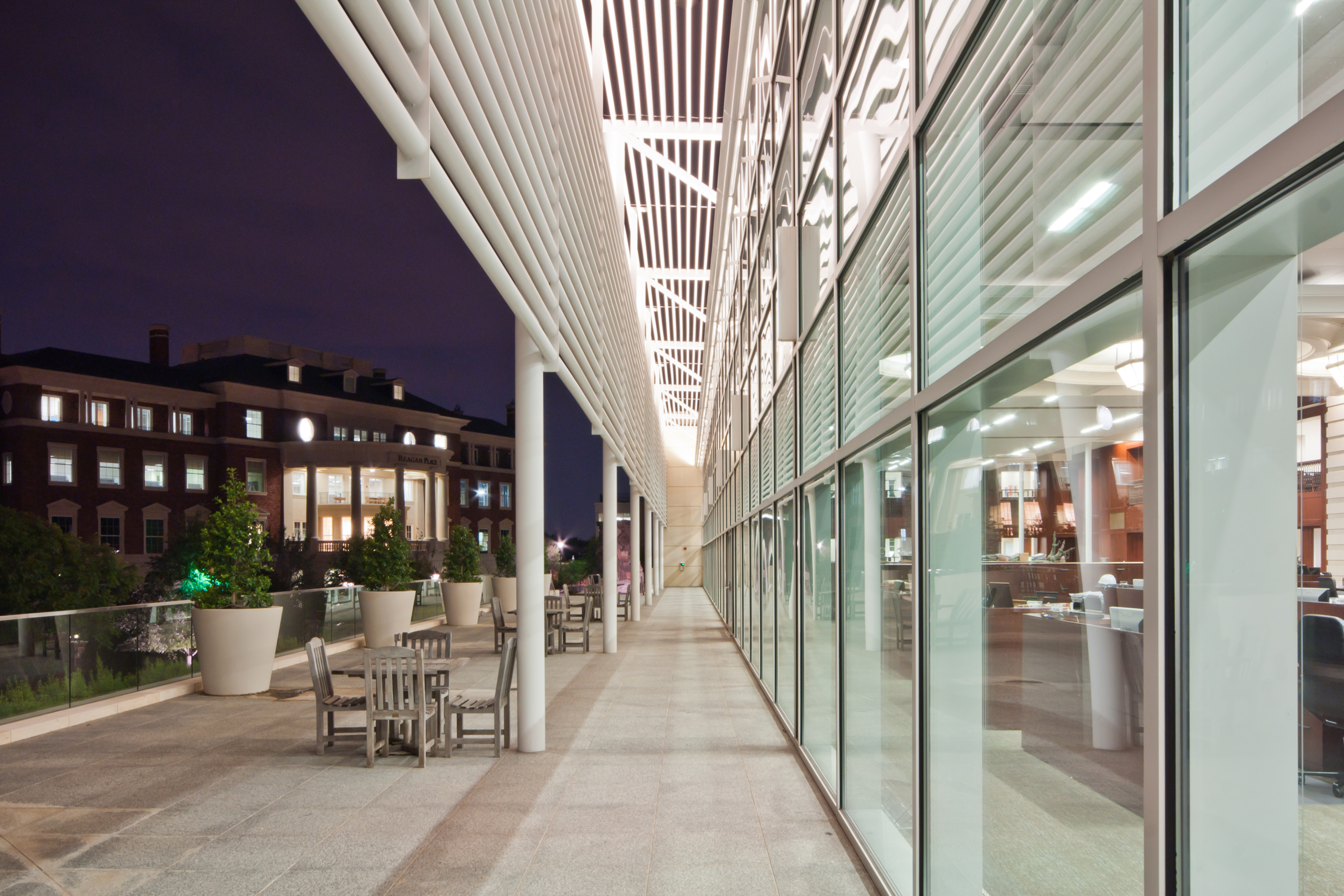
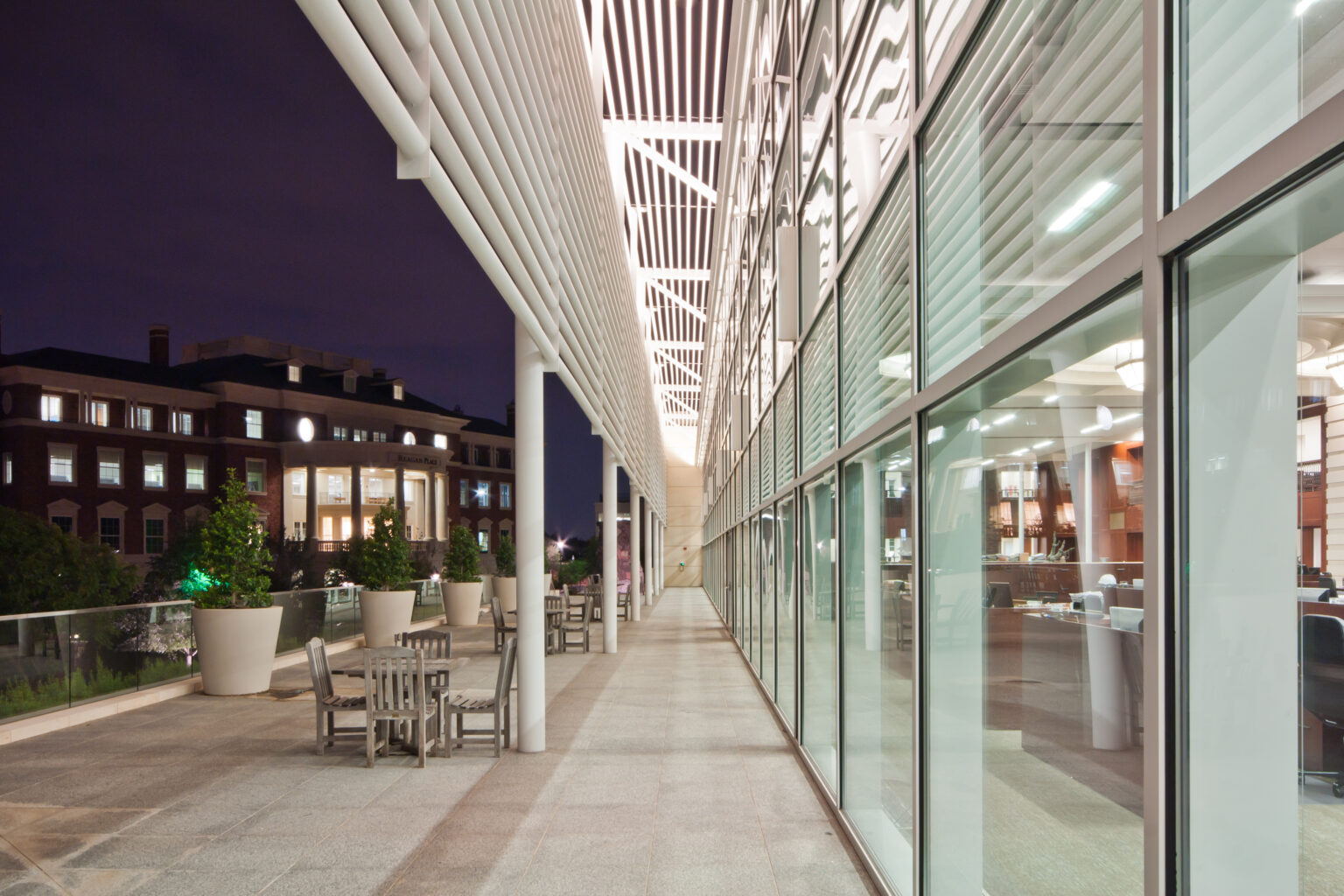
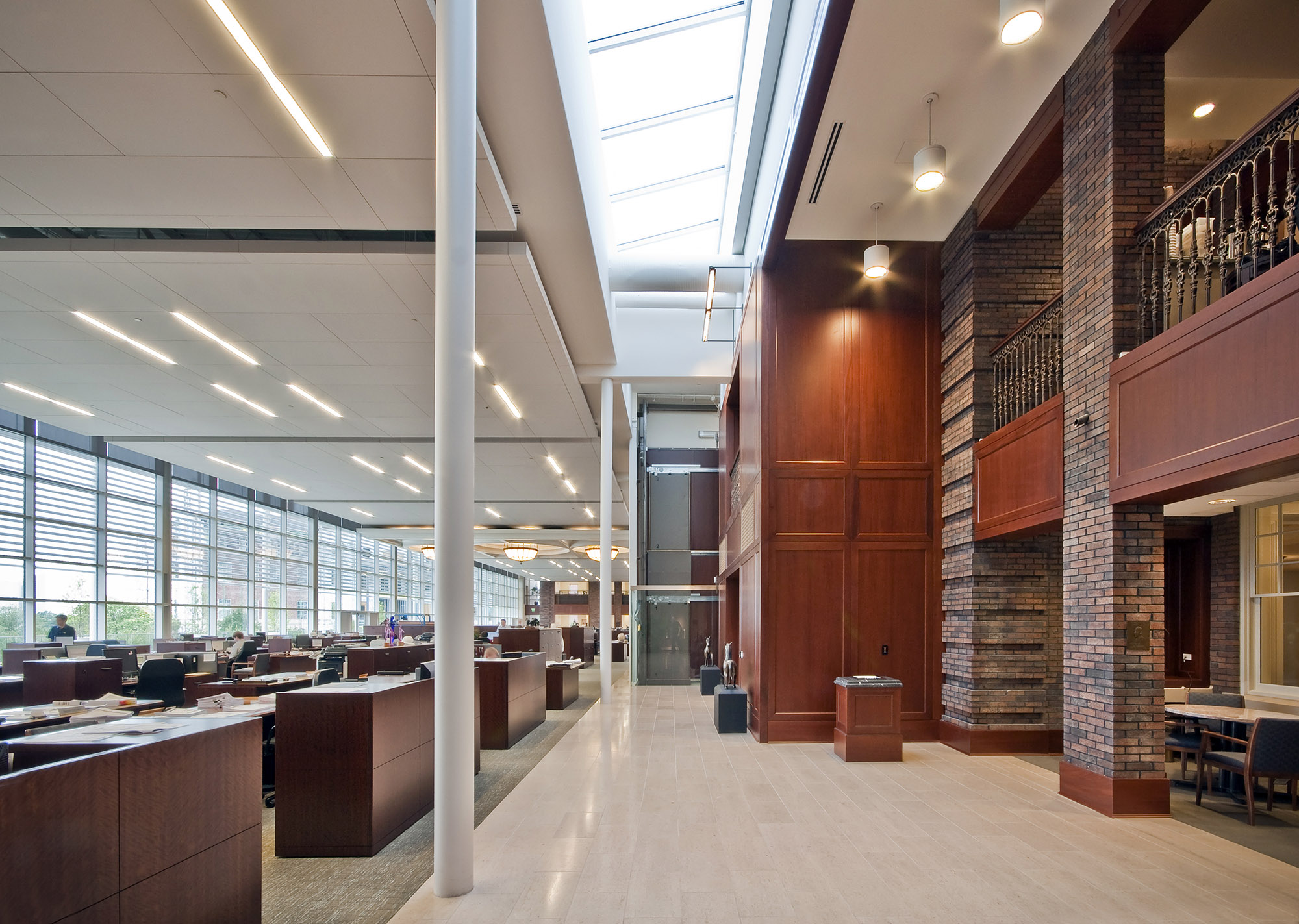
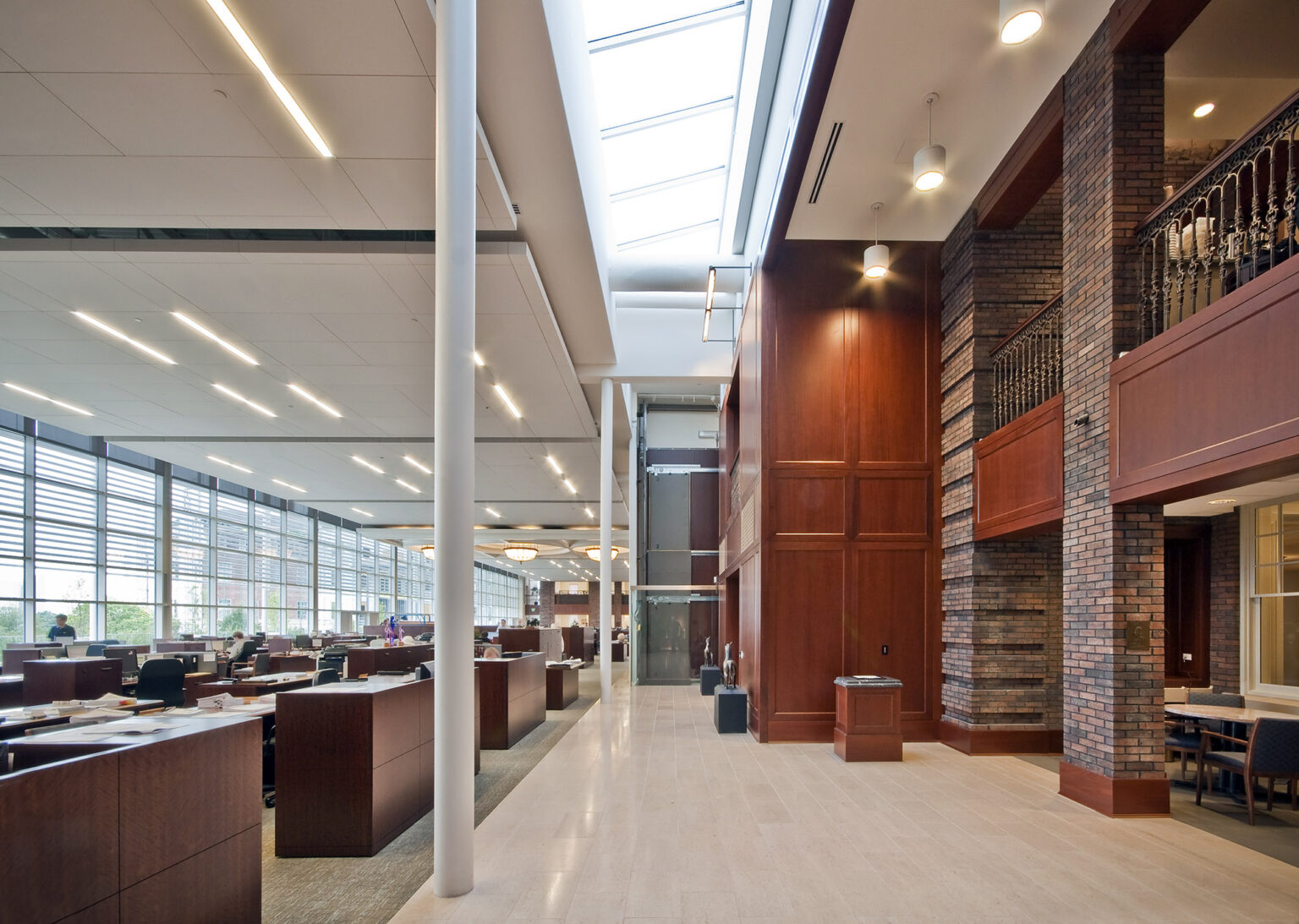
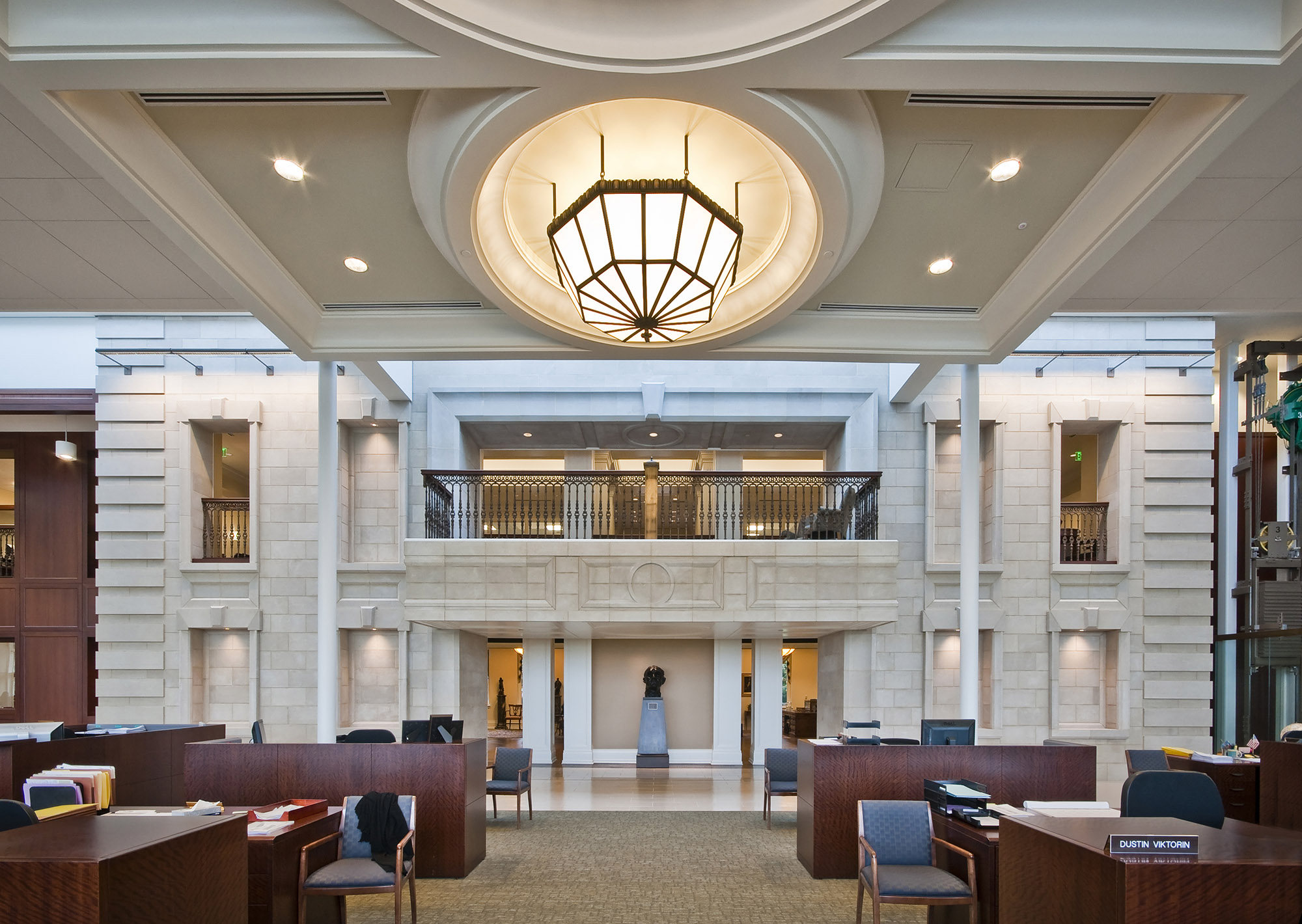
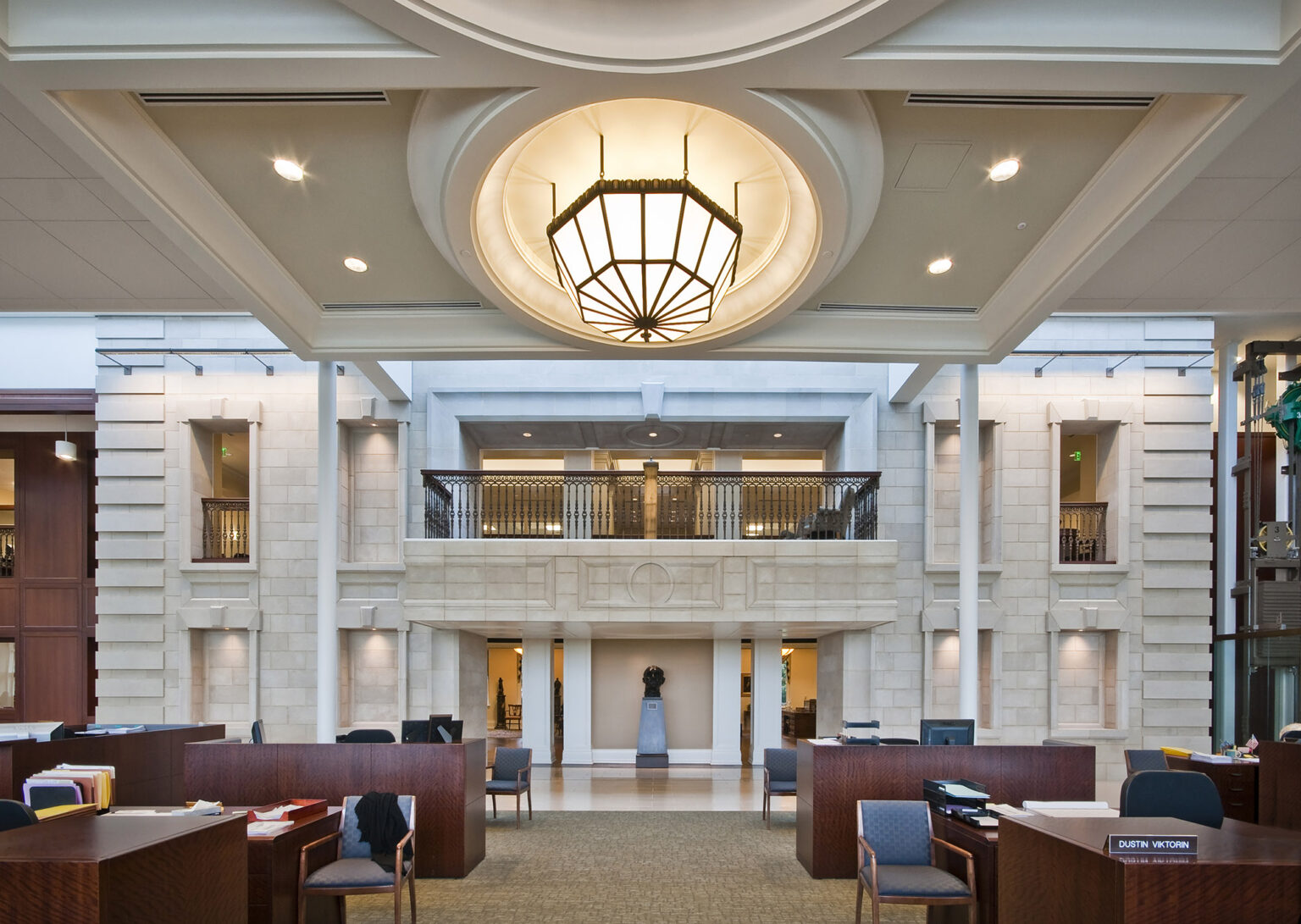
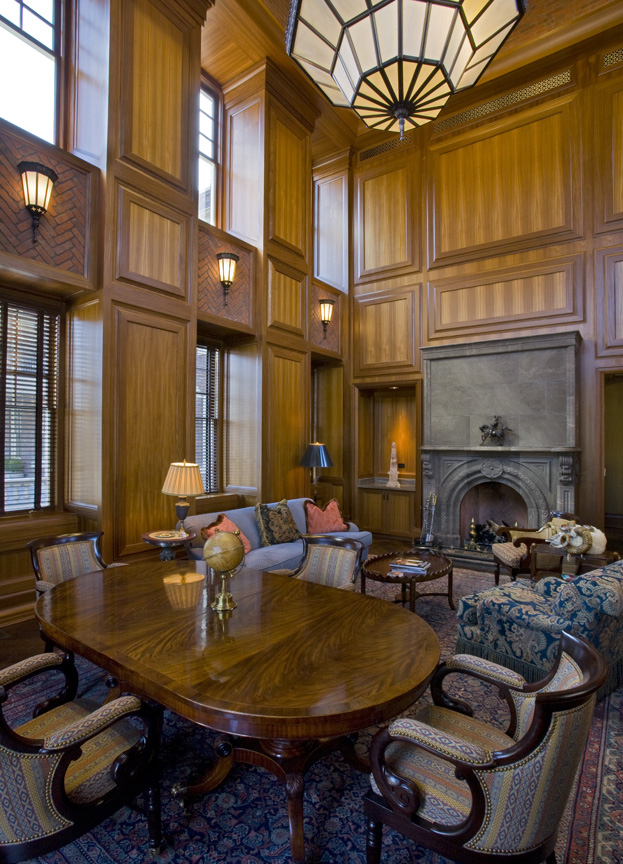
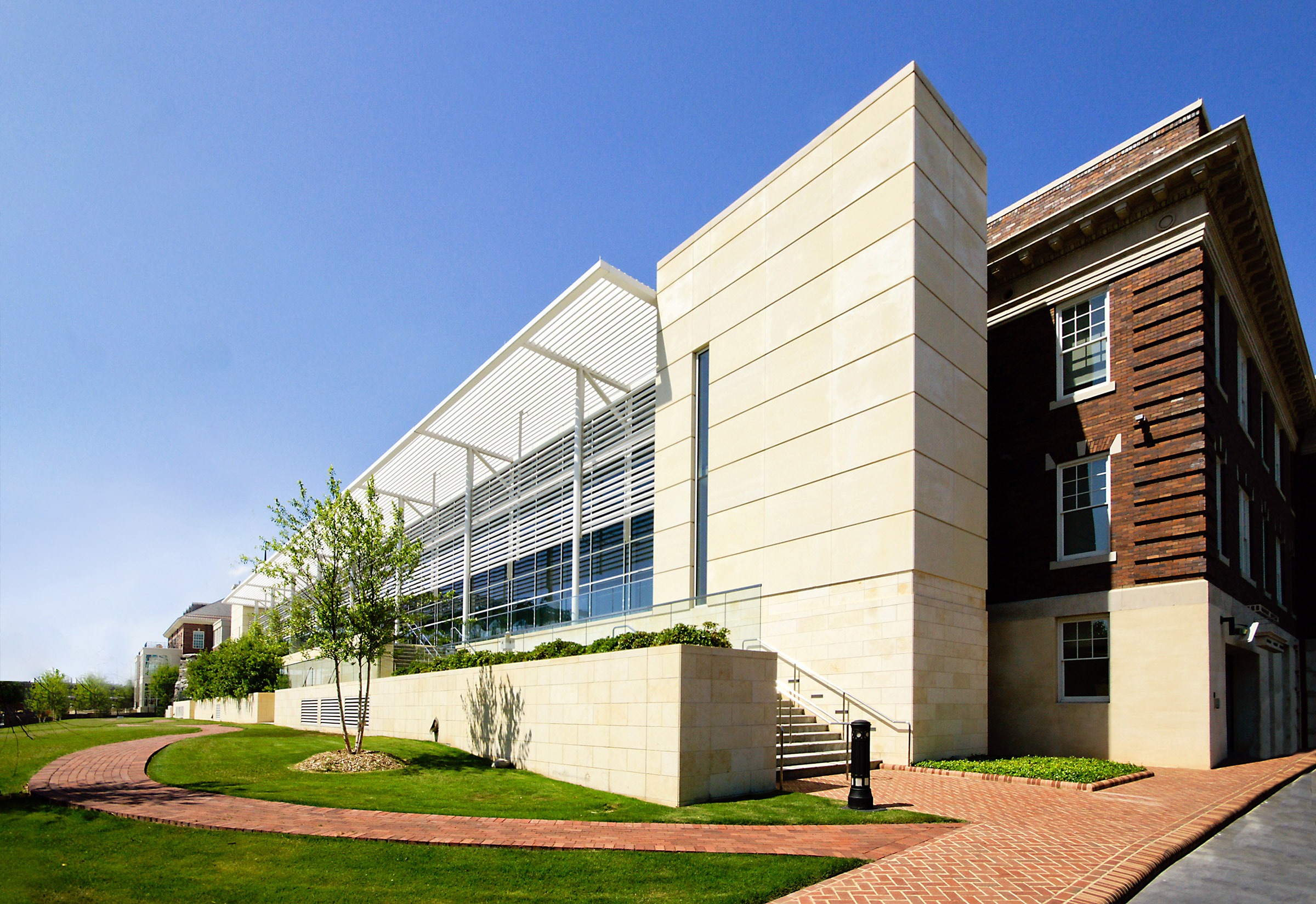
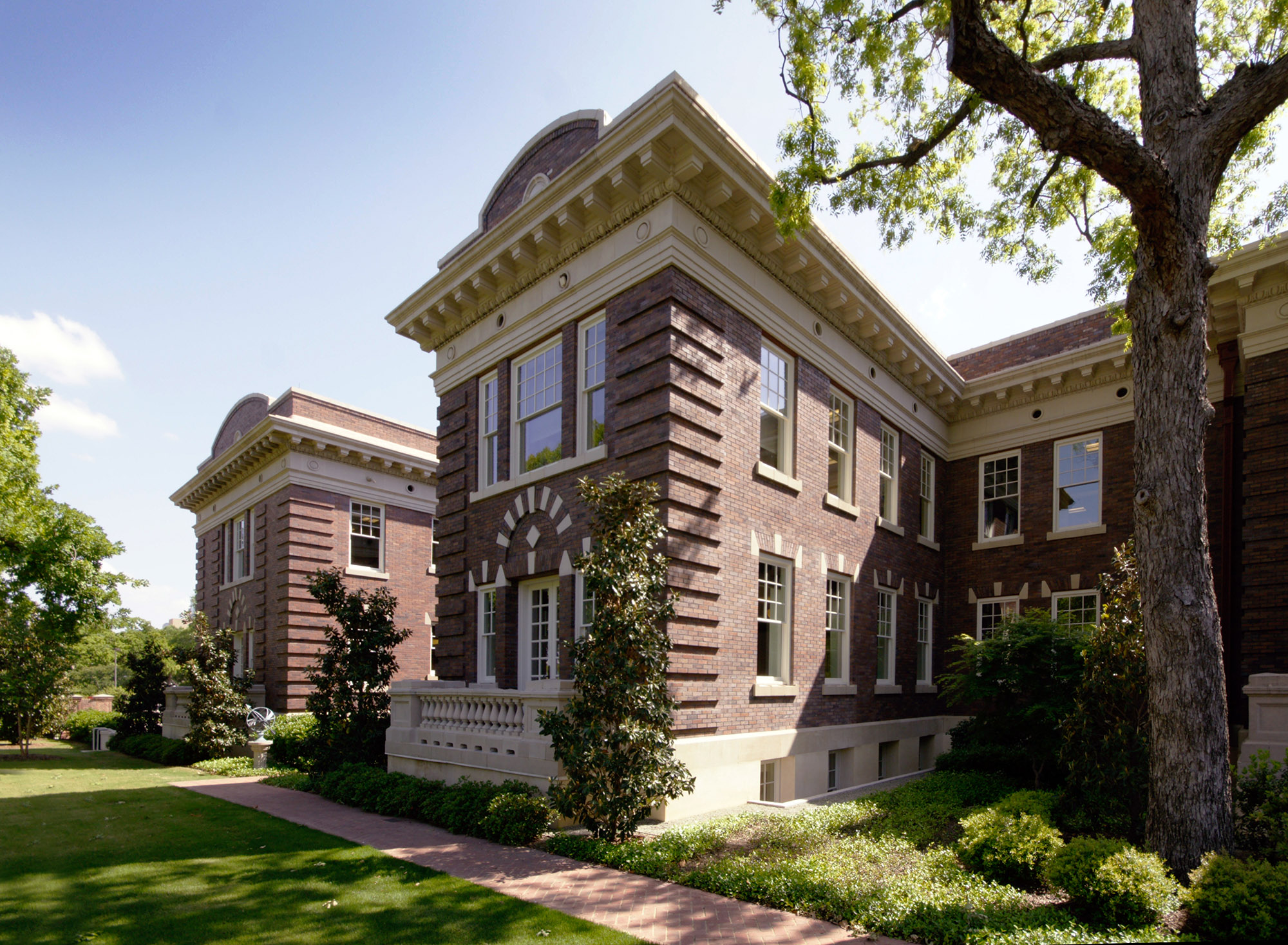
The historic buildings of Dallas’ Parkland Hospital, constructed on an eight-acre site in the Oak Lawn neighborhood in 1915 and 1921, have undergone a significant transformation. Purchased by Crow Holdings, the campus has been restored and expanded to serve as their corporate headquarters. The central design challenge was to integrate the company’s non-hierarchical corporate culture into a new addition that harmonizes with, but does not imitate, the original structure. This was achieved by placing a great room between the historic building’s arms in a highly machined steel, limestone, and glass structure, with parking tucked underneath to maintain the park-like setting’s integrity and character. Originally constructed in 1913 by Dallas architects Hubbell and Greene, the two-story neoclassical building served as the city’s first permanent public hospital. As the city grew, additional pavilions were added in 1921 and 1936. Parkland became a site of medical innovations, including Texas’ first psychiatric ward, blood bank, and cancer laboratory for women. During the 1940s, it was the only hospital in the country to accept infectious polio patients. In 1954, Dallas County constructed a new Parkland Hospital, and the original facility became known as Old Parkland, dedicated to specialty units. It later served as a minimum-security prison before closing in 1974. The Dallas Landmark Commission designated it a Dallas Historic Landmark in 1987. The renovation preserved the historic façade on Maple Avenue and parts of the Oak Lawn and Reagan Street facades, while removing some earlier construction to add a new west-facing addition. This addition features a large, double-height open office at the main floor level, with two levels of underground parking hidden below. The new structure, with its smooth Texas limestone, expansive glass curtain wall, and exterior sun control devices, serves as a contemporary counterpoint to the restored Georgian Revival of the historic building. Significant structural stabilization and restoration efforts included replacing deteriorated masonry, restoring terracotta cornices, and repairing or replacing the original 256 cypress windows with energy-efficient units. The main entry porch was also meticulously repaired rather than removed, reinforcing the historic integrity of the building. Throughout the campus, exterior gathering places like porches and terraces, and interior common areas such as the “Pecan Room,” foster a strong sense of collaboration and community. The Dallas Chapter AIA recognized the project with its first-ever Sustainability Award in 2007, and the Greater Dallas Planning Council gave it an Urban Design Award in 2008. The project also received a Preservation Achievement Award from Preservation Dallas, and an AIA Dallas Merit Award in 2011, acknowledging its excellence in preserving historical integrity while meeting modern needs
Office & Workplace

The Billingsley Company multipurpose pavilion serves as a bright, transparent hub that seamlessly connects indoor and outdoor spaces

IBP XVII Amenity Center

Plano, Texas

Architectural rendering of a public broadcast center with an amphitheater and large screen in Downtown Dallas.

GFF’s design for the broadcast facility responds to its unique topographic and urban context, carving out moments of pause, projection, and public connection along the Katy Trail

Public Broadcast Headquarters

Dallas, Texas / Unbuilt

Exterior view of Crescent Offices West showing glass and stone facade along West Seventh Street in Fort Worth’s Cultural District.

A forward-looking office destination shaped by the culture and momentum of Fort Worth’s west side

Crescent Offices West

Fort Worth, Texas

Two Arts Plaza is a 300,000-square-foot office tower anchoring the northeast gateway into Dallas’s Central Business District

Two Arts Plaza

Dallas, Texas / Unbuilt

Our People

Maria Gomez

President
Chief Practice Officer

Ricardo Montoya

Principal

Alix Rios

Associate Principal
Studio Director

Todd Toupal

Associate
Technical Director

David Boone

Associate Principal
Senior Interior Design Leader
Contact
Ready to do something memorable together?
Let's Collaborate.

elevating human experience

and strengthening community

through our craft

  • Follow Us On Instagram
  • Follow Us On Instagram
  • Dallas
  • Dallas

3030 Nowitzki Way
Suite 400
Dallas, Texas 75219
(214) 303-1500

  • Austin
  • Austin

114 West 7th Street
Suite 200
Austin, Texas 78701
(512) 807-0433

  • Fort Worth
  • Fort Worth

1701 River Run
Suite 800
Fort Worth, Texas 76107
(817) 303-1500

  • Privacy Policy
  • Privacy Policy
We use cookies to enhance your experience on this site. By browsing our website, you agree to our cookie usage. No personal details are stored in the process.